
In This Article
You’ve probably spent hours researching the perfect cat food, but have you given the same attention to what you’re serving it in? Here’s the thing most pet parents don’t realize: the best cat bowl material isn’t just about aesthetics or durability. It directly impacts your cat’s health, from preventing chin acne to reducing bacterial infections that could make your furry friend seriously ill.
I learned this the hard way when my tabby, Whiskers, developed persistent blackheads on her chin. My vet immediately pointed to the plastic bowls I’d been using. Within three weeks of switching to stainless steel, her acne completely cleared up. That experience sent me down a research rabbit hole, and what I discovered about bowl materials shocked me.
The material you choose affects bacterial growth, chemical leaching, and even how comfortable your cat feels while eating. Canadian cat owners face unique considerations too—from harsh dishwasher cycles during cold winters to ensuring products meet our safety standards. Some materials harbour bacteria in microscopic scratches, while others can leach harmful chemicals into your cat’s food. With over 8 million Canadian households owning cats, making the right choice has never been more critical.
This comprehensive guide examines seven bowl materials available on Amazon.ca, backed by veterinary research and real Canadian customer experiences. We’ll explore everything from 304-grade stainless steel to bamboo alternatives, helping you make an informed decision that protects your cat’s health without breaking your budget.
Quick Comparison Table
| Material | Bacterial Resistance | Acne Prevention | Durability | Price Range (CAD) |
|---|---|---|---|---|
| Stainless Steel (304) | ⭐⭐⭐⭐⭐ Excellent | ⭐⭐⭐⭐⭐ Best | ⭐⭐⭐⭐⭐ 10+ years | $15-$45 |
| Ceramic (Food-Grade) | ⭐⭐⭐⭐ Very Good | ⭐⭐⭐⭐ Excellent | ⭐⭐⭐ 3-5 years | $18-$55 |
| Glass (Borosilicate) | ⭐⭐⭐⭐⭐ Excellent | ⭐⭐⭐⭐⭐ Best | ⭐⭐⭐ Fragile | $20-$40 |
| Plastic (BPA-Free) | ⭐⭐ Poor | ⭐ Worst | ⭐⭐ 6-12 months | $8-$20 |
| Melamine | ⭐⭐ Poor | ⭐⭐ Poor | ⭐⭐⭐ 2-3 years | $12-$25 |
| Silicone (Food-Grade) | ⭐⭐⭐ Good | ⭐⭐⭐ Good | ⭐⭐⭐⭐ 5-7 years | $18-$35 |
| Bamboo Fiber | ⭐⭐⭐ Good | ⭐⭐⭐ Good | ⭐⭐⭐ 2-4 years | $15-$30 |
💬 Just one click – help others make better buying decisions too!😊
✨ Don’t Miss These Exclusive Deals!
🔍 Take your cat’s dining experience to the next level with these carefully selected products available in Canada. Click on any highlighted item to check current pricing and availability on Amazon.ca. These materials will help you create a healthier feeding environment your feline will love!
Top 7 Cat Bowl Materials: Expert Analysis
1. Stainless Steel (304-Grade): The Gold Standard
Petdream 4-Pack Stainless Steel Cat Food Bowls lead our recommendations as the quintessential example of what the best cat bowl material should be. These shallow, whisker-friendly dishes feature non-slip silicone bases and measure 6.7 inches in diameter.
Key Specifications:
- Material: 18/8 (304) food-grade stainless steel
- Dimensions: 6.7″ diameter x 1.2″ depth
- Capacity: Approximately 6-8 oz per bowl
Price Range: $25-$32 CAD for 4-pack Canadian Availability: Ships within 2-3 days across most provinces
Canadian customers consistently praise these bowls for their whisker fatigue relief and ease of cleaning. One Toronto reviewer noted their cat’s chin acne disappeared within three weeks of switching from plastic.
Quick Pros & Cons:
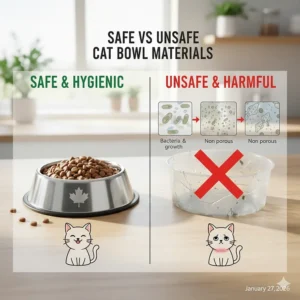
✅ Non-porous surface prevents bacterial colonization
✅ Dishwasher-safe and rust-resistant for Canadian winters
✅ No chemical leaching or toxic substances
❌ Can retain metallic taste initially (rinse thoroughly)
❌ May slide on hardwood floors without silicone base
According to research from Atlantic Stainless, 304-grade stainless steel (also called 18/8) contains 18% chromium and 8% nickel, creating a protective oxide layer that makes it incredibly hygienic. The Canadian Food Inspection Agency regulates food-contact materials, though pet bowl standards primarily follow AAFCO guidelines adopted by Canadian manufacturers.
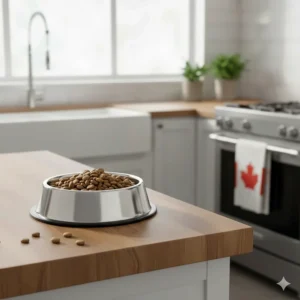
2. Ceramic (Lead-Free, Food-Safe): The Stylish Choice
CEEFU Extra Wide Elevated Ceramic Cat Bowl represents premium ceramic construction with a 6.2-inch shallow design that addresses whisker fatigue while offering superior aesthetics.
Key Specifications:
- Certified lead-free and cadmium-free
- Raised 5-inch height for comfortable eating
- Microwave and dishwasher safe
Price Range: $28-$38 CAD Canadian Availability: Prime eligible with free shipping
Vancouver customers particularly appreciate the elevated design for senior cats with arthritis. The smooth glaze prevents bacterial buildup when maintained properly—a critical factor in acne prevention bowls.
Quick Pros & Cons:
✅ Heavier weight prevents tipping and sliding
✅ Attractive designs complement home décor
✅ Smooth glaze easy to sanitize when intact
❌ Can chip or crack, especially in multi-cat households
❌ Damaged glaze harbours bacteria similar to plastic
Research from Americat Company indicates that while ceramic ranks as one of the safest cat food bowls, quality varies dramatically. Canadian buyers should verify lead-free certification—particularly important given Health Canada’s stringent standards for consumer products.
3. Borosilicate Glass: The Ultra-Hygienic Option
Kitty City Elevated Cat Bowls (Glass Set) delivers laboratory-grade hygiene with crystal-clear borosilicate glass that lets you spot contamination instantly.
Key Specifications:
- Heat-resistant borosilicate glass
- Set includes elevated stand
- Each bowl holds 6.5 oz
Price Range: $32-$45 CAD for set of 2 Canadian Availability: Available on Amazon.ca with free returns
Montreal cat owners praise the transparency that makes cleaning verification easy. The material is identical to what’s used in chemistry labs—virtually immune to bacterial adhesion.
Quick Pros & Cons:
✅ Completely non-porous with zero bacterial growth
✅ No odour retention or chemical leaching
✅ See-through design aids cleanliness monitoring
❌ Fragile and prone to shattering if dropped
❌ Cold surface some cats may initially dislike
Glass bowls offer the best combination of hygiene and safety, though Canadian households with children or multiple pets should consider breakage risk. The material meets the same food-safety standards as FDA-approved stainless steel, making it ideal for cats with sensitivities.
4. Plastic (BPA-Free): The Budget Option to Avoid
Generic BPA-Free Plastic Cat Bowls represent what many Canadian pet stores still stock, despite veterinary recommendations against them for long-term use.
Key Specifications:
- BPA-free polypropylene construction
- Lightweight and stackable
- Various colours available
Price Range: $8-$15 CAD Canadian Availability: Widely available but not recommended
Quick Pros & Cons:
✅ Extremely affordable and lightweight
✅ Won’t break if dropped
❌ Scratches easily, creating bacterial breeding grounds
❌ Primary cause of feline chin acne
❌ May contain phthalates despite “BPA-free” claims
Veterinarians at Texas A&M College of Veterinary Medicine explicitly state that plastic dishes tend to harbour microbes and recommend switching to metallic alternatives. Even BPA-free plastics develop microscopic scratches where bacteria thrive. These aren’t truly among the safest cat food bowls despite widespread availability.
Calgary customers report that cheap plastic bowls developed an unpleasant odour within months, even with daily washing. The material is lipophilic (attracts oils), making it nearly impossible to fully sanitize.
5. Melamine: The Deceptive Middle Ground
Melamine Cat Feeding Dishes appear ceramic-like but are actually hard plastic composite materials that share many of plastic’s disadvantages.
Key Specifications:
- Melamine resin composite
- Dishwasher-safe up to 70°C
- Scratch-resistant coating
Price Range: $12-$25 CAD Canadian Availability: Common in pet stores
Quick Pros & Cons:
✅ More scratch-resistant than standard plastic
✅ Lightweight yet stable design
❌ Still porous enough to harbour bacteria
❌ Can leach chemicals if heated excessively
❌ Not suitable for microwave use
While marginally better than standard plastic, melamine still falls short of hygienic cat dishes standards. The material can crack with temperature fluctuations common in Canadian homes during winter, compromising its bacterial resistance.
6. Food-Grade Silicone: The Travel-Friendly Alternative
Bifeaw Slow Feeder Cat Bowl (Silicone) showcases modern silicone technology with collapsible design perfect for Canadian travellers heading to cottages or RVs.
Key Specifications:
- Medical-grade silicone construction
- Collapsible for storage and travel
- Raised feeding pattern for portion control
Price Range: $18-$28 CAD for 2-pack Canadian Availability: Prime shipping available
Edmonton customers love these for camping trips through Alberta’s Rockies. The material is non-toxic and relatively easy to clean, though not quite matching stainless steel’s bacterial growth resistance.
Quick Pros & Cons:
✅ Flexible, collapsible, and portable
✅ Non-slip design stays in place
✅ Safe for dishwasher and freezer
❌ Can retain food odours if not cleaned thoroughly
❌ Surface texture may trap particles
❌ Some cats dislike the “squishy” feel
While food-grade silicone represents a reasonable middle ground, it doesn’t achieve the same level of bacterial growth resistance as stainless steel or glass. Best suited as supplementary travel bowls rather than primary feeding dishes.
7. Bamboo Fiber Composite: The Eco-Conscious Option
Eco-Friendly Bamboo Cat Food Bowls appeal to environmentally conscious Canadian pet parents seeking sustainable alternatives.
Key Specifications:
- Bamboo fiber with cornstarch binder
- Biodegradable construction
- Natural antibacterial properties
Price Range: $15-$30 CAD Canadian Availability: Limited selection on Amazon.ca
Quick Pros & Cons:
✅ Sustainable and compostable material
✅ Natural antimicrobial properties
✅ Lightweight yet stable
❌ Cannot be fully sanitized in dishwasher
❌ Degrades faster than metal or ceramic
❌ May develop mould if not dried properly
British Columbia customers appreciate the environmental angle, but bamboo bowls require meticulous care in humid coastal climates. They’re not ideal as primary non-toxic pet dishes for cats with health issues.
Understanding Bacterial Growth Resistance in Bowl Materials
Here’s something most pet owners don’t know: bacterial biofilm formation happens within hours of your cat’s first meal. This sticky layer of microorganisms adheres differently to various materials, directly affecting whether you’re using truly hygienic cat dishes.
The Science Behind Non-Porous Surfaces
Materials like 304 stainless steel and borosilicate glass feature non-porous surfaces at the molecular level. When bacteria attempt to colonize these surfaces, they find no microscopic grooves to anchor themselves. Research from Americat Company demonstrates that stainless steel’s hard surface prevents bacteria from leftover food and saliva from penetrating, unlike plastic’s lipophilic nature that actively attracts oils.
How Scratches Compromise Safety
Even a single scratch in plastic or low-quality ceramic creates a bacterial highway. The Journal of Feline Medicine reports that these grooves harbour food particles and moisture—perfect breeding grounds for pathogens. This is why replacing plastic bowls every 3-6 months is essential, though switching to the best cat bowl material eliminates this expense entirely.
Temperature’s Role in Sanitization
Canadian winters mean many households run dishwashers at higher temperatures. Stainless steel and glass withstand 70-80°C wash cycles that genuinely sterilize, while plastic can warp and melamine may release chemicals. The CFIA doesn’t directly regulate pet bowls, but food-contact standards provide useful guidelines.
Biofilm Formation Timeline
Within 24 hours of use, bacterial biofilm becomes visible as that slippery coating on water bowls. Stainless steel delays this formation significantly—typically 48-72 hours versus 12-18 hours for plastic. This is why bacterial growth resistance matters for busy Canadian pet parents who may not wash bowls twice daily.
Feline Acne Prevention: Material Matters More Than You Think
Feline chin acne affects approximately 40% of cats at some point in their lives, and bowl material plays a starring role. Those blackheads and bumps on your cat’s chin aren’t just cosmetic—they can develop into painful infections requiring veterinary treatment.
The Plastic Connection
Cornell University’s Feline Health Center research indicates that plastic bowls are the primary culprit behind chin acne. The combination of bacterial growth in scratches, potential allergic reactions to plastic compounds, and oil retention creates the perfect storm. Some cats are actually allergic to certain plastics, manifesting as contact dermatitis that mimics acne.
Why Smooth Surfaces Prevent Breakouts
Acne prevention bowls work by eliminating the bacterial-dirt-oil combination that clogs hair follicles. When your cat’s chin touches a smooth stainless steel or glass surface, bacteria can’t transfer as readily. The Humane Society’s Complete Guide to Cat Care explicitly recommends replacing plastic with stainless steel, U.S.-made ceramic, or heavy glass.
Width and Whisker Fatigue Factor
Interestingly, bowl width interacts with material choice for acne prevention. Narrow plastic bowls force more chin contact with contaminated surfaces. Wide, shallow dishes in stainless steel or ceramic reduce this contact while being easier to sanitize—a double benefit for acne-prone cats.
Treatment Success Stories from Canadian Owners
Halifax veterinarians report 80-90% improvement rates when clients switch from plastic to stainless steel or ceramic. One Winnipeg customer shared that her Persian’s chronic chin acne cleared within four weeks of upgrading to elevated ceramic bowls. The combination of reduced bacterial exposure and easier cleaning made the difference.
Daily Cleaning Still Matters
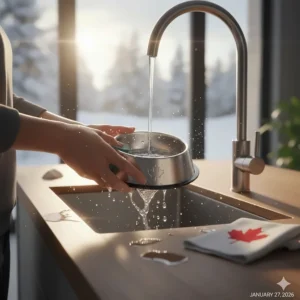
Even the safest cat food bowls require daily washing. However, materials like 304 stainless steel make this task effective rather than futile. You can actually eliminate bacteria with hot water and soap, unlike plastic where bacteria hide in micro-scratches no amount of scrubbing can reach.
Non-Toxic Pet Dishes: What Canadian Cat Owners Must Know
The phrase non-toxic pet dishes appears on countless products, but what does it actually mean? Canadian consumers face unique challenges since we don’t have pet-bowl-specific regulations from Health Canada, instead relying on general food-contact standards.
The BPA-Free Myth
Many plastic bowls proudly display “BPA-free” labels, leading owners to believe they’re safe. However, BPA is just one of dozens of potentially harmful chemicals. Phthalates, used to make plastic flexible, can disrupt endocrine function. While acute toxicity is rare, chronic low-level exposure concerns veterinary toxicologists.
Heavy Metals in Cheap Ceramics
Here’s a scary fact: some imported ceramic bowls contain lead or cadmium in their glazes. While Canada Border Services screens for dangerous products, testing isn’t universal. Stick with brands that explicitly state “lead-free” and “cadmium-free”—like the CEEFU bowls mentioned earlier. The risk is especially high with decorative ceramics not specifically marketed as food-safe.
Stainless Steel Quality Variations
Not all stainless steel is created equal. The designation 304-grade (also called 18/8) is crucial. Lower grades, particularly 200-series stainless steel sometimes used in cheap bowls, may contain higher levels of manganese and lower nickel, affecting corrosion resistance. Atlantic Stainless confirms that 304-grade is the industry standard for food contact.
Some overseas manufacturers falsely stamp products as “18/8” without proper certification. Premium Canadian retailers often test shipments independently—another reason to buy from reputable sources on Amazon.ca.
Silicone Safety Standards
Food-grade silicone should meet FDA standards (which Canadian manufacturers often reference). Medical-grade silicone is even better, though pricier. The concern with low-quality silicone is filler materials that manufacturers don’t disclose. If a silicone bowl smells strongly of chemicals or leaves residue, it’s not food-grade.
Chemical Migration Testing
Truly non-toxic pet dishes should undergo migration testing—examining whether chemicals leach into food under various conditions. Reputable manufacturers publish these results. Canadian pet parents should prioritize products with third-party testing certificates, especially for materials like plastic and ceramic.
Cat Bowl Material Comparison: Daily Maintenance Reality
Choosing the best cat bowl material isn’t just about initial safety—it’s about maintaining that safety through years of daily use. Here’s what each material demands from busy Canadian pet parents.
Dishwasher Durability Rankings
Excellent (Regular Top-Rack Safe): 304 stainless steel, borosilicate glass
Good (Occasional Wash): Food-grade ceramic, medical-grade silicone
Fair (Hand-Wash Preferred): Melamine, bamboo composite
Poor (Hand-Wash Only): Standard plastic (warps in dishwasher)
Canadian dishwashers often run at 65-70°C during sanitize cycles—perfect for stainless steel and glass, but potentially damaging to plastic and bamboo. Edmonton’s hard water is particularly tough on ceramic glazes, potentially creating micro-fissures over time.
Odour Retention Comparison
Stainless steel and glass: Zero odour retention—wash once and it’s genuinely clean. This is crucial for cats who refuse food from smelly bowls.
Ceramic: Minimal odour retention if glaze is intact, but damaged areas can trap fishy smells.
Plastic and silicone: Both absorb oils from wet food, creating that persistent “cat food smell” even after washing. The lipophilic nature of these materials means they’re constantly attracting and retaining organic compounds.
Replacement Frequency Guidelines
The economic reality of bowl materials matters:
- Stainless steel (304): 10+ years with proper care (essentially lifetime purchase)
- Borosilicate glass: 5-7 years typically, though accidents shorten this
- Quality ceramic: 3-5 years if no chips develop
- Silicone: 3-5 years before texture degrades
- Plastic: 6-12 months maximum for hygienic use
- Melamine: 2-3 years before surface integrity fails
Winter Storage Considerations
Canadian garages and unheated storage areas present challenges. Ceramic can crack from freeze-thaw cycles, while plastic becomes brittle in extreme cold. Stainless steel and silicone remain stable across temperature ranges—important for cottage owners storing supplies seasonally.
Hard Water Staining Solutions
Prairie provinces’ hard water leaves mineral deposits on all materials. Stainless steel: Wipe with vinegar solution monthly. Glass: Same treatment works perfectly. Ceramic: Staining may become permanent if glaze is compromised. Plastic: Becomes cloudy and impossible to restore.
Choosing the Best Cat Bowl Material for Your Situation
The “perfect” bowl material depends on your specific circumstances. Here’s how to match materials to Canadian household realities.
For Multi-Cat Households
Edmonton families with three or more cats need durability and quantity. Petdream 4-Pack Stainless Steel Bowls offer the best value—four bowls for $25-$32 CAD versus buying individual ceramic pieces. The non-breakable nature is essential when several cats eat simultaneously, occasionally bumping bowls.
Stainless steel’s dishwasher safety becomes crucial when washing 12-20 bowls weekly. You can run entire loads of cat bowls through sanitize cycles without worry—something impossible with ceramic or plastic.
For Acne-Prone or Sensitive Cats
If your cat has chin acne history, prioritize materials in this order:
- 304 stainless steel (first choice)
- Borosilicate glass (second choice)
- Lead-free ceramic (third choice, only if undamaged)
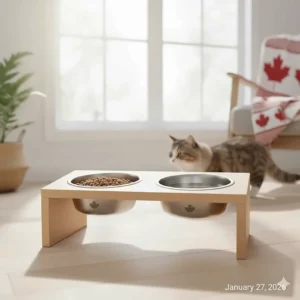
Combine material choice with shallow, wide designs (6-7 inches diameter minimum). The CEEFU Ceramic elevated option works beautifully for cats with both acne and arthritis—common in senior Canadians cats battling long winters.
For Budget-Conscious Owners
The math seems counterintuitive, but stainless steel costs less long-term:
Plastic bowls: $12/bowl × 2 replacements/year × 10 years = $240 CAD Stainless steel: $28-32 for 4-pack lasting 10+ years = $32 CAD
Even premium CEEFU Ceramic at $38 CAD lasting five years costs just $7.60 annually. The safest cat food bowls are actually the most economical.
For Aesthetic-Focused Homes
Montreal and Vancouver design-conscious homeowners often choose ceramic for its appearance. The CEEFU Elevated Ceramic in white complements modern Scandinavian aesthetics while delivering health benefits. Just commit to replacing any chipped pieces immediately—a cracked ceramic bowl negates all safety advantages.
For Travel and Cottages
Collapsible Bifeaw Silicone Bowls shine for highway trips to Muskoka, Banff, or Cape Breton. Pack half a dozen in your suitcase without weight concerns. For summer cottage storage, choose stainless steel over ceramic to survive potential freezing if you close up in October.
For Senior or Special-Needs Cats
Elevated options (5-inch height) reduce neck strain for arthritis-suffering seniors. Ceramic’s weight prevents sliding for cats with mobility issues. However, for seniors with poor vision, avoid glass—the breakage risk isn’t worth it when a cat might knock it while jumping down.
Canadian-Specific Buying Considerations
Shopping for the best cat bowl material in Canada involves unique factors American guides don’t address.
Shipping Times and Costs
Most quality bowls on Amazon.ca offer Prime shipping to urban centres (Toronto, Montreal, Vancouver, Calgary, Edmonton, Ottawa). Rural addresses in Saskatchewan, Manitoba, or the Maritimes may face 7-10 day delivery. Order well before you’re critically low—switching materials takes planning.
Budget $8-15 CAD shipping for non-Prime items. The Petdream Stainless Steel 4-Pack typically qualifies for free shipping, making it attractive for remote buyers.
Import Quality Standards
Canada Border Services screens for dangerous goods, but testing isn’t exhaustive. Stick with sellers who ship from Canadian warehouses (indicated in product listings) to ensure products passed Canadian customs scrutiny. This is especially important for ceramic bowls regarding lead content.
Warranty and Return Policies
Amazon.ca’s return window is typically 30 days. Ceramic and glass bowls should be inspected immediately upon arrival for chips or cracks—even small defects compromise the bacterial resistance that makes them valuable. Photograph any damage before requesting replacements.
Provincial Regulatory Variations
Quebec labelling laws require bilingual packaging for consumer products, though this doesn’t typically affect bowl functionality. British Columbia has stricter environmental regulations—buying durable materials like stainless steel aligns with BC’s waste reduction goals better than frequent plastic replacement.
Seasonal Demand and Pricing
Canadian pet supply prices often rise 10-15% in November-December holiday shopping. Buy quality bowls in January-February for best deals. Summer cottage season (May-July) sees travel bowl demand spike, affecting silicone and plastic prices.
Climate-Specific Considerations
Winnipeg winters (-40°C) make freezer-safe bowls relevant for garage or mudroom feeding stations. Coastal humidity in Halifax or Victoria affects bamboo and wood bowls more than Prairie climates. Stainless steel and glass perform consistently across all Canadian climate zones.
How to Choose Best Cat Bowl Material: 7-Step Expert Method
This systematic approach eliminates guesswork when selecting materials available on Amazon.ca.
Step 1: Assess Your Cat’s Health History
Document any chin acne, allergies, or sensitivities. Cats with skin issues require 304 stainless steel or glass—non-negotiable. Healthy cats have more flexibility. Check with your veterinarian if you’re unsure whether mystery skin issues could be bowl-related.
Step 2: Evaluate Your Household Environment
Count cats: 3+ cats need durability (stainless steel). Assess traffic: High-traffic kitchens mean breakage risk (avoid glass and ceramic). Consider children: Toddlers and glass bowls don’t mix well. Check your dishwasher temperature: 70°C+ cycles suit steel and glass best.
Step 3: Calculate Total Cost of Ownership
Use this formula: (Purchase price ÷ expected years) + (replacement frequency × replacement cost) = annual cost
Compare five-year totals, not just initial prices. Factor in your time washing difficult materials—plastic’s apparent savings evaporate when you need to replace it three times yearly.
Step 4: Verify Material Authenticity
For stainless steel: Confirm 304-grade or 18/8 designation in listings. For ceramic: Verify “lead-free” and “cadmium-free” explicit statements. For plastic: Check “BPA-free” (though still not recommended). For silicone: Look for “food-grade” or “medical-grade” certification.
Read Canadian customer reviews mentioning material quality issues.
Step 5: Measure Your Space
Ensure 6-7 inch diameter shallow bowls fit your feeding area. Elevated bowls need 8-10 inches of vertical clearance. Multi-bowl setups require stable surfaces—lightweight plastic tips easily on uneven floors common in older Canadian homes.
Step 6: Match Material to Cat Personality
Timid cats need stable bowls that won’t slide (ceramic weight or steel with silicone base). Aggressive eaters need durability (stainless steel). Water-phobic cats might prefer seeing water level in glass bowls. Food-motivated cats could benefit from silicone slow-feeder designs.
Step 7: Start with Best-Value Option
For most Canadian cats, the Petdream Stainless Steel 4-Pack offers the best combination of safety, durability, and value. Use it as your baseline—if specific needs emerge, you can supplement with ceramic or glass later while maintaining these as backups.
What Is Best Cat Bowl Material? (Featured Snippet Answer)
The best cat bowl material is food-grade stainless steel, specifically 304-grade (18/8), which offers superior bacterial resistance, durability, and safety. This non-porous material prevents the bacterial growth that causes feline chin acne and doesn’t leach chemicals into food. Quality ceramic and borosilicate glass are excellent alternatives. Avoid plastic bowls, which scratch easily and harbour bacteria in microscopic grooves, leading to health issues. Canadian pet owners should prioritize dishwasher-safe, non-toxic materials that withstand frequent sanitization.
Frequently Asked Questions About Cat Bowl Materials
❓ Are stainless steel bowls safe for cats in Canada?
❓ Can ceramic cat bowls cause lead poisoning?
❓ How often should you replace cat food bowls in Canada?
❓ Do plastic bowls really cause chin acne in cats?
❓ What's the price range for quality cat bowls in Canada?
Conclusion: Making the Smart Choice for Your Canadian Cat
After examining seven materials and dozens of products available on Amazon.ca, the verdict is clear: the best cat bowl material for most Canadian cats is food-grade 304 stainless steel. The combination of bacterial resistance, durability, affordability, and genuine non-toxic properties makes it the gold standard. Products like the Petdream 4-Pack Stainless Steel Bowls deliver everything your cat needs at prices that make sense for Canadian budgets.
That said, quality lead-free ceramic and borosilicate glass serve specific needs beautifully. The elevated CEEFU Ceramic Bowl excels for senior cats with arthritis, while Kitty City Glass Bowls suit households prioritizing absolute hygiene visibility. Even food-grade silicone has its place for travel and collapsible storage needs unique to Canadian cottagers.
What’s truly non-negotiable? Avoiding plastic. The bacterial breeding grounds, chemical concerns, and chin acne causation make plastic unsuitable for primary feeding—regardless of how prominently “BPA-free” appears on packaging. Your cat deserves better, and Canadian options on Amazon.ca make it affordable to provide exactly that.
Remember: you’re not just buying a bowl. You’re investing in your cat’s health, comfort, and safety for years to come. Choose materials that prevent rather than cause problems, prioritize reputable sellers with proper certifications, and don’t compromise on quality for minimal savings. Your future self—and your cat’s vet—will thank you when those chin blackheads never appear and that persistent skin irritation finally resolves.
Start by replacing your oldest or most-scratched bowls first, transitioning gradually if your cat is particularly sensitive to change. Within weeks, you’ll notice differences: easier cleaning, better-smelling bowls, possibly improved eating behaviour, and potentially clearer skin around your cat’s chin. These small changes compound into significant health benefits across your cat’s lifetime.
Canadian pet parents have access to world-class products at reasonable prices. Make the choice that protects your furry family member while respecting your budget and busy lifestyle. The best cat bowl material isn’t theoretical—it’s sitting right there on Amazon.ca, waiting to transform your cat’s daily dining experience.
✨ Don’t Miss These Exclusive Deals!
🔍 Ready to upgrade your cat’s feeding setup? These carefully curated products represent the best of what’s available to Canadian pet parents. Click any highlighted bowl to check real-time pricing and customer reviews on Amazon.ca. Your cat’s health starts with the right bowl—make the switch today!
Recommended for You
- 7 Cat Water Fountain Benefits That Boost Hydration Canada (2026)
- 7 Best Automatic Pet Feeder Comparison 2026 Canada
- 7 Best Smart Cat Water Fountains with App 2026 Canada
Disclaimer: This article contains affiliate links to Amazon.ca. If you purchase products through these links, we may earn a small commission at no additional cost to you.
✨ Found this helpful? Share it with your friends! 💬🤗
