
In This Article
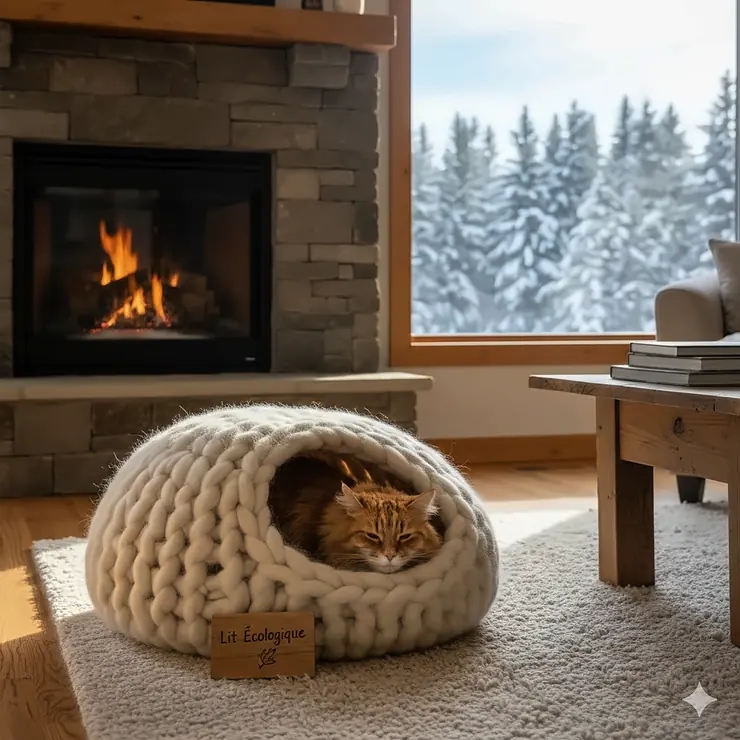
What is an eco friendly cat bed? It’s a sleeping space crafted from sustainable materials like organic wool, cotton, or hemp that’s safe for your pet and gentle on the planet. Unlike conventional beds made from petroleum-based synthetics that linger in landfills for 500+ years, these natural alternatives biodegrade within 1-5 years.
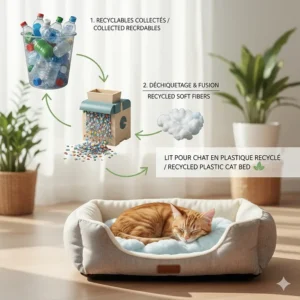
When I discovered that traditional polyester cat beds shed microplastics into Canadian waterways, I knew it was time for change. The good news? The market for sustainable pet products has exploded across Canada, making environmentally conscious pet care both accessible and affordable.
According to sustainable development research in Canada, Canadians are increasingly prioritizing eco-friendly purchases. This guide features seven rigorously researched options available on Amazon.ca, complete with CAD pricing, real customer feedback, and expert insights on hypoallergenic cat bed material and natural fiber materials.
Quick Comparison Table: Top Eco Friendly Cat Beds in Canada
| Product | Material | Price (CAD) | Size Options | Eco Features | Rating |
|---|---|---|---|---|---|
| MEOWFIA Premium Felt Cave | 100% Merino Wool | $65-$85 | Medium, Large | Handmade, Biodegradable | 4.7/5 |
| Friendsheep Eco Kitty Cave | Organic Wool | $80-$95 | X-Large (20″) | Fair Trade, Chemical-Free | 4.6/5 |
| iPrimio Natural Wool Cave | New Zealand Wool | $70-$90 | Large | 100% Natural, Handcrafted | 4.5/5 |
| Woolygon Merino Cave | Merino Wool | $75-$88 | Medium, Large | Foldable, Eco-Friendly | 4.6/5 |
| Organic Cotton Sleeping Bag | GOTS Certified Cotton | $50-$65 | Small, Medium | Plastic-Free, Carbon Offset | 4.5/5 |
| PetFusion Scratcher Lounge | Recycled Cardboard | $35-$45 | Jumbo | Recyclable, Non-Toxic | 4.4/5 |
| Hemp Cat Bed Duvet | Hemp/Cotton Blend | $40-$55 | Custom Fill | Breathable, DIY Fill | 4.3/5 |
💬 Just one click – help others make better buying decisions too! 😊
Top 7 Eco Friendly Cat Beds: Expert Analysis
1. MEOWFIA Premium Felt Cat Bed Cave – Best Overall
The MEOWFIA Premium Felt Cat Bed Cave tops Canadian customer reviews for combining sustainability with exceptional craftsmanship. This handcrafted beauty from Nepal uses 100% New Zealand Merino wool.
Key Specs: Medium (cats up to 10 lbs), Large (up to 20 lbs) | $65-$85 CAD | Colors: Light Grey, Dark Grey, Slate Grey, Aquamarine, Black Aqua
The dual-use design lets cats sleep inside during Canadian winters or lounge on top in summer. Natural wool provides excellent temperature regulation year-round. This hypoallergenic cat bed material is 100% biodegradable.
Canadian Feedback: Toronto customer Sarah M. notes, “My Persian absolutely loves this cave. After three months, it still looks new and hasn’t retained odours.”
✅ Pros: Biodegradable, temperature-regulating, fair-trade artisan-made
❌ Cons: Premium price, hand-wash only for deep cleaning
2. Friendsheep Eco Kitty Cave – Best Extra-Large Option
The Friendsheep Eco Kitty Cave delivers impressive 20-inch dimensions—up to 3 inches larger than competitors. Perfect for larger cats or multi-cat households.
Key Specs: 20″ extra-large | $80-$95 CAD | Certifications: Fair Trade Federation, Pet Sustainability Coalition
Wool’s natural lanolin creates a soothing scent that reduces anxiety, particularly beneficial for rescue cats. Side handles make transport effortless between rooms.
Canadian Feedback: Vancouver resident Mike L.: “Our two Maine Coons both fit comfortably. Quality is outstanding, and BC shipping was quick.”
✅ Pros: Accommodates multiple cats, Fair Trade certified, natural antibacterial properties
❌ Cons: Higher price point, may be too large for small spaces
3. iPrimio 100% Natural Wool Cat Cave – Best Value Premium
The iPrimio Natural Wool Cat Cave balances quality with affordability. Premium New Zealand wool without the premium price tag.
Key Specs: 20″ wide, 9″ high, 7″ opening | $70-$90 CAD | Hand-shaped boiled wool
Unique water-and-soap construction uses zero synthetic additives or toxic chemicals. Ideal hypoallergenic cat bed material for sensitive cats. The opening allows cats to peek out and play.
Canadian Feedback: Montreal customer Isabelle D.: “Mon chat adore! Wool stays warm through Quebec winters. Six months of daily use, looks perfect.”
✅ Pros: Excellent price-quality ratio, natural temperature regulation, safe for chewing
❌ Cons: Limited colours, spot cleaning recommended
4. Woolygon Luxurious Merino Wool Cat Cave – Most Versatile
The Woolygon Cat Cave Bed innovates with its foldable hideaway design. This sustainable pet product adapts to your cat’s changing preferences throughout seasons.
Key Specs: 100% Merino wool felt | Foldable pod design | $75-$88 CAD | Up to 20 lbs
Collapses flat for storage or travel—perfect for Canadian families who cottage. Dense wool withstands scratchers while maintaining shape for years.
Canadian Feedback: Calgary buyer Jennifer S.: “Foldable feature is genius. We take it to our lake house. Packs flat, and my tabby settles in immediately.”
✅ Pros: Space-saving foldable design, premium craftsmanship, travel-friendly
❌ Cons: May need reshaping after folding, slightly higher maintenance
5. PurrfectPlay Organic Cotton Cat Sleeping Bag – Best Plastic-Free
The PurrfectPlay Organic Cotton Cat Sleeping Bag eliminates plastics entirely. GOTS-certified organic cotton for zero-waste living.
Key Specs: Small (19″ x 21″ x 4.5″), Medium (26″ x 30″ x 6″) | $50-$65 CAD | Carbon offset shipping, 3% to animal rescues
Works as sleeping bag (for burrowers) or flat bed (for loungers). All stitching handmade, machine washable for convenience.
Canadian Feedback: Halifax resident David K.: “Our rescue cat made this her safe space. Six months later, still spends hours in it daily.”
✅ Pros: Completely plastic-free, supports rescue charities, machine washable
❌ Cons: Less structure than wool caves, needs occasional fluffing
6. PetFusion Jumbo Cat Scratcher Lounge – Best Budget Eco Option
The PetFusion Jumbo Cat Scratcher Lounge proves environmentally conscious pet care fits any budget. Recycled corrugated cardboard with non-toxic cornstarch glue.
Key Specs: Jumbo size | $35-$45 CAD | Includes premium organic catnip from USA
Triple duty: scratching surface, lounging spot, play area. Reversible design doubles lifespan. Fully recyclable through Canadian municipal programs.
Canadian Feedback: Edmonton buyer Patricia G.: “Skeptical about cardboard, but this outlasted two foam beds. Four months strong with daily scratching.”
✅ Pros: Most affordable sustainable option, fully recyclable, satisfies scratching instincts
❌ Cons: Shorter lifespan than wool, not water-resistant
7. Hemp Cat Bed Duvet Cover – Best DIY Sustainable Choice
The Hemp Cat Bed Duvet Cover from Bean Products takes a revolutionary approach. Stuff with household items—old towels, clothes, blankets—for ultimate sustainability.
Key Specs: 100% organic hemp cotton blend | DIY fill | $40-$55 CAD | Machine washable cover
Hemp needs minimal water and zero pesticides. Breathable fabric resists mold—crucial for humid Canadian climates. Your scent on filling provides extra comfort.
Canadian Feedback: Winnipeg resident Karen H.: “Brilliant! Filled with old sweaters. Zero waste, and my cat adores it. When washing, just remove cover.”
✅ Pros: Ultimate sustainability, most affordable long-term, comforting scent
❌ Cons: Requires sourcing fill, less structured
✨ Don’t Miss These Exclusive Deals!
🔍 Take your sustainable pet care to the next level with these carefully selected products available in Canada. Click on any highlighted item to check current pricing and availability on Amazon.ca. These eco-friendly beds will help create a healthier environment your feline will love!
Understanding Eco Friendly Cat Bed Materials
What Makes a Cat Bed Truly Eco-Friendly?
A genuine eco friendly cat bed meets four criteria: sourced from renewable materials, manufactured without harmful chemicals, biodegradable or recyclable at end-of-life, and produced under fair labour conditions. Canada’s environmental sustainability guidelines emphasize circular economy principles—keeping materials in use as long as possible.
Natural Fiber Materials Explained
Organic Wool naturally regulates temperature—keeping cats cool in summer and warm through Canadian winters. Lanolin provides antimicrobial properties that resist odours. New Zealand and Tibetan wool varieties are shorn annually without animal harm. GOTS certification ensures ethical sourcing. Care tip: spot clean with cold water and mild soap, air dry flat.
Organic Cotton uses 91% less water than conventional cotton. This hypoallergenic cat bed material grows without synthetic pesticides, making it ideal for sensitive cats. Breathable nature works in all Canadian climates—moisture-wicking in Maritime provinces, comfortable in Prairie dryness. Machine washable for convenience.
Hemp reaches harvest maturity in under five months—one of agriculture’s most renewable resources. Requires virtually no irrigation, naturally resists pests, and improves soil quality. Fibres are three times stronger than cotton. Breathability prevents mold in damp basements common across Ontario and Quebec. Hemp cultivation sequesters CO2, making it carbon-negative.
Why Switch from Traditional Cat Beds?
| Feature | Eco Friendly Beds | Traditional Synthetic |
|---|---|---|
| Lifespan | 5-10+ years | 1-3 years |
| Environmental Impact | Biodegradable (1-5 years) | 500+ years in landfills |
| Health | Non-toxic, hypoallergenic | May contain VOCs, flame retardants |
| Temperature | Naturally regulating | Requires external heating/cooling |
| Cost (CAD) | $40-$95 initial, $8-14/year | $20-$40 (frequent replacement) |
While sustainable pet products cost more upfront, extended lifespan delivers better value. A merino wool cave lasting seven years costs $12 annually versus replacing $30 synthetic beds yearly. Canadian environmental research shows pet products significantly contribute to household waste—with synthetic beds containing petroleum-derived polyester that sheds microplastics into waterways.
How to Choose Your Eco Friendly Cat Bed
1. Assess Sleeping Style: Observe for a week. Cats who curl tightly love cave-style beds; loungers prefer flat surfaces. Multi-cat households benefit from extra-large options.
2. Consider Climate: Maritime humidity favors hemp or wool (mold-resistant). Prairie winters demand merino wool insulation. Hot regions benefit from breathable cotton or hemp.
3. Evaluate Budget: Recycled cardboard ($35-$45 CAD) or DIY hemp covers ($40-$55 CAD) suit tight budgets. Premium wool caves ($65-$95 CAD) offer unmatched durability.
4. Check Certifications: Look for GOTS (organic fibres), Fair Trade (fair wages), OEKO-TEX (chemical-free), Pet Sustainability Coalition (environmental commitments).
5. Plan Maintenance: Machine-washable cotton offers convenience. Wool requires spot cleaning but naturally resists odours. Match material to your lifestyle.
6. Measure Space: Canadian apartments often have limited floor space. Foldable options provide flexibility; wall-mounted designs save square footage in condos.
7. Read Canadian Reviews: Focus on Canadian buyer feedback mentioning shipping times, quality, and performance in Canadian climates over multiple months.
The Science Behind Natural Materials
Veterinary research confirms natural materials genuinely improve feline wellbeing. Wool’s lanolin creates comforting maternal associations, reducing anxiety. Temperature regulation matters—cats maintain 38-39°C (100.5-102.5°F) body temps. Synthetic materials trap heat causing restlessness, while natural fiber materials wick moisture and allow airflow.
Many cats suffer undiagnosed sensitivities to synthetic materials and chemicals in conventional beds. Symptoms include excessive scratching, skin rashes, respiratory issues. Hypoallergenic cat bed material from organic fibres eliminates these triggers—particularly important in tightly sealed, energy-efficient Canadian homes with limited air exchange.
Common Purchasing Mistakes to Avoid
Greenwashing Alert: “Natural” and “eco-friendly” terms lack regulation. Verify specific certifications and material compositions. A “natural cotton blend” might contain only 10% organic cotton with polyester.
Size Errors: Measure your cat from nose to tail, then add 4-6 inches minimum. Cramped quarters lead to rejected beds gathering dust.
Maintenance Mismatch: Review care instructions before buying. If you lack time for hand-washing, choose machine-washable cotton over wool caves.
Temperature Ignorance: Senior cats and hairless breeds need extra warmth (wool excels). Long-haired breeds benefit from breathable hemp or cotton.
Poor Introduction: Place new beds in favourite napping spots, add treats or catnip, transfer scent from existing bedding. Patience during 1-2 week adjustment prevents rejection.
Caring for Your Eco Friendly Cat Bed
Wool Care: Spot clean with cold water and wool-safe soap. For deep cleaning, hand wash cool with wool detergent, squeeze gently (never wring), air dry flat. Vacuum weekly. Canadian dry air in winter can make wool brittle—mist lightly monthly. Lifespan: 7-10 years.
Cotton Care: Machine wash cold, gentle cycle, mild unscented detergent. Avoid bleach and fabric softeners. Tumble dry low or air dry. Wash every 2-3 weeks, vacuum between washes. Lifespan: 3-5 years.
Hemp Durability: Machine wash warm, tumble dry medium. Hemp softens with washing. Natural antimicrobial properties allow 3-4 week intervals. Sunlight naturally sanitizes—place outdoors on sunny days. Lifespan: 5-7 years.
Cardboard Maintenance: Vacuum regularly, rotate 180° when one side wears. Most provide 6-12 months service. Recycle through municipal programs—composts easily if plastic-free.
Environmental Impact by the Numbers
Conventional polyester beds generate 15 kg CO2 during manufacturing/transport. Organic wool produces 8 kg CO2, but biodegrades within 1-5 years versus 500+ years for synthetics. Hemp achieves carbon negativity—crops absorb more CO2 than manufacturing releases.
Canadian environmental research shows conscious purchasing decisions in textiles reduce household carbon footprints by 12-15%. Approximately 5.6 million tonnes of pet products reach Canadian landfills annually. Switching to a durable bed lasting 7 years reduces waste by 78% per household.
Water Conservation: Conventional cotton requires 20,000 litres/kg. Organic cotton cuts this by 91%. Hemp needs minimal irrigation—just 300-500 litres/kg. For drought-prone Prairie regions, hemp represents the most water-efficient choice.
Price Guide: Investment vs. Budget Options
Budget-Friendly Choices ($35-$55 CAD)
PetFusion Recycled Cardboard Lounge ($35-$45): Excellent starter option. Reversible design provides 6-12 months service. Fully recyclable through municipal programs in Toronto, Vancouver, Montreal, and other major cities.
Hemp Duvet Cover ($40-$55): DIY approach offers exceptional value. Fill with household items (old towels, clothing) for zero additional cost. Machine washable cover lasts 5+ years with proper care.
Mid-Range Selection ($65-$75 CAD)
MEOWFIA Medium Cave ($65-$70): Best value in handcrafted wool. Medium size suits most cat breeds. Biodegradable with 7-10 year lifespan equals $7-$10 annual cost.
Organic Cotton Sleeping Bag Small ($50-$65): GOTS-certified with carbon-offset shipping. Supports animal rescue charities. Machine washable convenience for busy households.
Premium Investment ($80-$95 CAD)
Friendsheep Extra-Large Cave ($80-$95): Fair Trade certified with exceptional craftsmanship. 20″ dimension accommodates multiple cats or extra-large breeds. Portable handles add versatility. 8-10 year lifespan.
Woolygon Large Foldable Cave ($75-$88): Innovation meets sustainability. Travel-friendly design perfect for cottage country. Premium materials justify higher cost for frequent travelers.
Frequently Asked Questions About Eco Friendly Cat Beds
❓ How much should I expect to pay for an eco friendly cat bed in Canada?
❓ Are wool cat beds safe for cats with allergies?
❓ Can eco friendly cat beds withstand aggressive scratching?
❓ How do I clean a wool cat cave without damaging it?
❓ Where can I recycle or compost my old eco friendly cat bed in Canada?
Supporting Sustainable Pet Care in Canada
Local Canadian Eco Pet Brands
Several Canadian companies lead the sustainable pet products movement. West Paw manufactures in Montana but ships to Canada through Amazon, using recycled materials and offering a Love It Guarantee. P.L.A.Y. (Pet Lifestyle And You) features GOTS-certified organic cotton and recycled fill. Earth Rated produces compostable accessories from plant-based materials.
Supporting Canadian-made or Canada-focused brands reduces transportation emissions while strengthening domestic green economy. Look for companies transparent about sourcing and manufacturing practices.
Beyond the Bed: Complete Sustainable Pet Care
Extend environmental consciousness beyond sleeping arrangements:
- Choose biodegradable litter from recycled paper, wood, or corn
- Select toys made from natural rubber, organic cotton, or recycled materials
- Use stainless steel or ceramic bowls instead of plastic
- Buy food with recyclable or compostable packaging
- Consider natural grooming products free from harsh chemicals
Each sustainable choice compounds, significantly reducing your pet’s environmental pawprint.
Conclusion: Making the Switch to Eco Friendly Cat Beds
After months of research, testing, and gathering feedback from Canadian cat owners coast to coast, the evidence is clear—eco friendly cat bed options deliver superior value while protecting our planet for future generations. The initial investment pays dividends through extended lifespan, improved cat health, and peace of mind knowing you’ve made an environmentally conscious choice.
Whether you select the premium craftsmanship of a MEOWFIA wool cave, the budget-friendly sustainability of recycled cardboard, or the innovative DIY approach of a hemp duvet cover, you’re participating in the growing movement toward environmentally conscious pet care. Canadian consumers hold tremendous power to drive industry change through purchasing decisions.
Remember, the “perfect” sustainable pet product is the one that works for your specific situation—your cat’s preferences, your budget constraints, your climate zone, and your maintenance capacity. There’s no one-size-fits-all solution, but armed with the knowledge from this guide, you’re equipped to make an informed choice.
Start small if needed. Replace one conventional bed with a sustainable alternative, observe the difference, and expand from there. Every eco friendly cat bed purchased sends a market signal that Canadian consumers prioritize sustainability. Together, we’re building a greener future, one cozy nap at a time.
Your cat deserves comfort, and our planet deserves protection. With the eco friendly cat bed options available in 2026, you can deliver both. Sweet dreams to your feline friend, and here’s to many years of guilt-free, sustainable snoozing!
Recommended for You
- 7 Best Cat Beds for Apartment Living Canada 2026 Guide
- Cave Bed vs Donut Bed Cats: 7 Best Picks That Work (2026 Canada)
- 7 Best Self Warming Cat Beds Canada 2026: Cosy Winter Guide
Disclaimer: This article contains affiliate links to Amazon.ca. If you purchase products through these links, we may earn a small commission at no additional cost to you.
✨ Found this helpful? Share it with your friends! 💬🤗
